Gutter Cleaning in Hackettstown: A Smart Investment for Homeowners

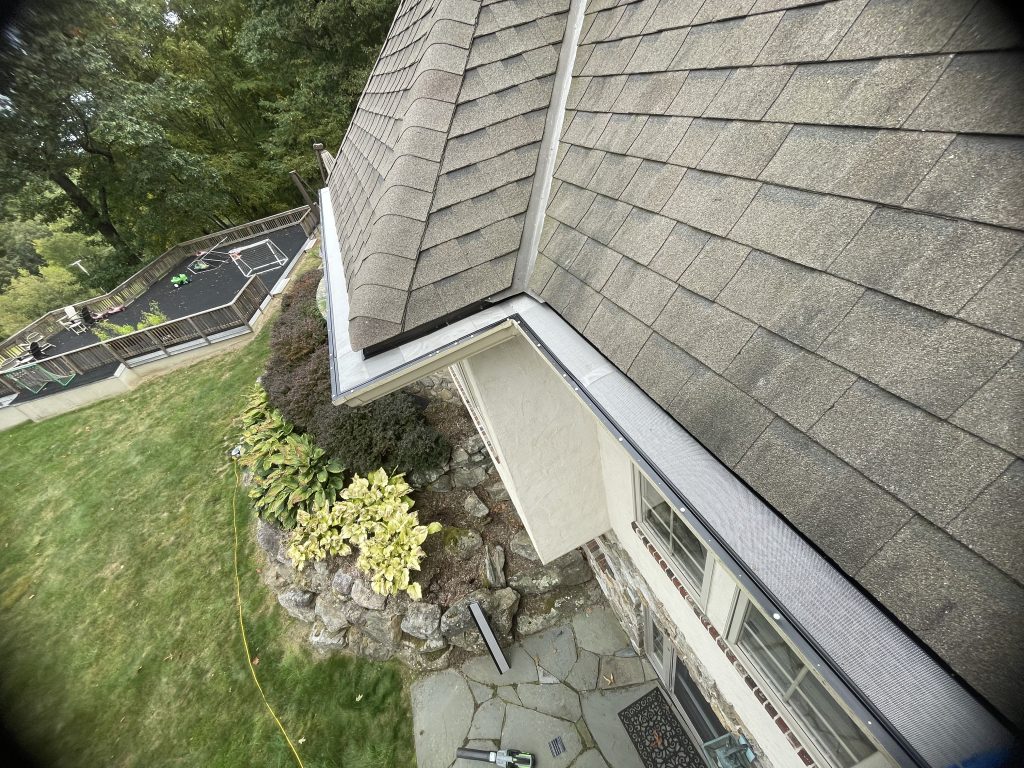
A lot of home maintenance jobs can be postponed for a few weeks without much consequence. Gutter cleaning is not one of them. When gutters stop moving water away from the roofline and foundation, small problems start stacking up in places most homeowners do not see right away. By the time the damage becomes obvious, the repair bill is often far larger than the cost of routine service.
That is especially true in a place like Hackettstown, where the weather puts real demands on a house. Heavy spring rain, summer storms, falling leaves in autumn, and freeze-thaw cycles in winter all test the drainage system around a roof. A gutter that is only partially blocked in October can become a serious issue by January if trapped water freezes, expands, and stresses the fasteners, seams, and downspouts.
For homeowners weighing where to spend maintenance dollars, Gutter Cleaning Hackettstown is one of the more practical investments available. It is not glamorous. Nobody invites friends over to admire clean downspouts. But it protects several of the most expensive parts of a property at once, including the roof, fascia, siding, foundation, landscaping, and in some cases even the basement.
Why gutters matter more than most people think
Gutters are simple by design. They collect rainwater shedding off the roof, channel it into downspouts, and direct it away from the house. When they work, the process is mostly invisible. When they do not, water begins to follow paths it was never meant to take.
One of the first signs of trouble is overflow at the roof edge during a rainstorm. Homeowners often see water pouring over the side and assume the gutter is simply too small for the volume. In practice, the culprit is usually a blockage made up of leaves, twigs, roof grit, and compacted organic debris. Water cannot move efficiently to the downspout, so it spills over the front and back edges instead.
Back-edge overflow is the more dangerous version. That water can work its way behind the gutter, wet the fascia board, and start a slow cycle of wood rot. If the house has older trim or areas where paint has already broken down, moisture gets a foothold fast. What starts as a routine cleaning issue can turn into fascia replacement, soffit repairs, and repainting.
Then there is the ground below. If gutters dump too much water along the foundation, the soil can erode or become oversaturated. In some yards, you will see trenches form where the runoff repeatedly lands. In others, water settles against the house, raising the risk of seepage into the basement or crawl space. Even if the home never floods, persistent wetness near the foundation is not something to ignore.
Hackettstown homes face a specific set of conditions
Local conditions matter. A maintenance plan that works in a dry climate or a newer treeless subdivision does not always translate well to homes in and around Hackettstown. The area has a mix of mature trees, established neighborhoods, variable lot drainage, and seasonal weather swings that can fill gutters faster than many owners expect.
Leaves are the obvious issue, particularly in the fall, but they are not the only one. Seed pods, pine needles, maple helicopters, moss, roof granules, and even small branches can all build up in a gutter run. I have seen gutters that looked only lightly filled from the ground but had dense, muddy blockages packed into the downspout outlet. From a distance everything seemed fine. During rain, the system failed almost completely.
Homes surrounded by tall trees usually need more attention than open-lot homes, yet the roof pitch and gutter layout also matter. A steep roof sheds water with more force. Valleys concentrate runoff. Long gutter runs can hold a surprising amount of debris before they show visible overflow. Add a shaded side of the house that dries slowly, and organic material stays damp enough to compact into a heavy sludge.
Winter adds another layer. When clogged gutters hold standing water and temperatures drop, ice can form in the trough and around the roof edge. That extra weight strains hangers and joints. In some cases, it contributes to ice dam conditions, especially where attic insulation or ventilation is already less than ideal. Gutter cleaning will not solve every winter roof problem, but neglected gutters can absolutely make cold-weather issues worse.
The hidden cost of waiting too long
Homeowners often delay gutter cleaning because the problem is easy to underestimate. If there is no leak inside the house and no visible section hanging loose, it feels reasonable to put it off. The trouble is that water damage is patient. It builds quietly.
A clogged gutter may first cause staining on siding. Then mulch washes out of the flower bed below. Then a section starts pulling away from the fascia because the wet debris has become heavy enough to bend the spikes or brackets. At that point the repair is no longer just a cleaning appointment. It may involve re-securing the gutter, replacing damaged hangers, resealing end caps, or correcting a pitch issue that developed once the section sagged.
I have also seen clogged downspouts cause water to spill across walkways and front entries. That may sound minor until the temperature drops overnight and the runoff freezes. A maintenance task that looked optional in October becomes a slip hazard by December.
For homeowners planning to sell, neglected gutters can also hurt curb appeal in ways buyers notice immediately, even if they cannot always identify the source. Overflow marks, mildew streaks, peeling trim paint, and eroded planting beds all suggest deferred maintenance. Buyers may assume there are deeper problems, and sometimes they are right.
What professional gutter cleaning usually includes
There is more to proper gutter cleaning than scooping out leaves. A thorough service usually starts with removing all visible debris from the gutters themselves, followed by clearing each downspout to confirm water can move freely from top to bottom. If a downspout is partially blocked, the system may still back up during heavy rain, even if the gutter trough looks clean.
After the debris is removed, a good technician checks the flow with water where appropriate, watches how quickly the system drains, and looks for trouble spots. These may include loose hangers, separated seams, poor pitch, crushed downspout elbows, or discharge points that empty too close to the foundation.
This inspection aspect is where homeowners often see the real value. Someone who works around gutters regularly can spot early warning signs that are easy to miss from the ground. A small drip from a seam, a slight belly in a long run, or fastener holes beginning to elongate may not seem urgent, but catching them early is almost always cheaper than waiting until a section fails during a storm.
Some homes also need minor adjustments after cleaning. A splash block might have shifted. A downspout extension may be too short for the grade of the lot. A strainer basket could be trapping debris rather than helping. These are not major projects, but they are exactly the sorts of small details that determine whether rainwater ends up safely away from the house or right where you do not want it.
The safety side of the equation
Many homeowners consider handling gutter cleaning on their own, and in some cases that is reasonable. A one-story ranch with open access and a short gutter run presents a very different risk profile than a two-story home with sloped landscaping, rear deck obstacles, and sections above a sunroom roof.
Ladder work is where the calculation changes. Falls do not require dramatic circumstances. Uneven ground, overreaching to avoid moving the ladder, wet shoes, or trying to maneuver around clogged downspouts can be enough. Every year, people get hurt doing ordinary maintenance jobs they thought would take twenty minutes.
There is also the issue of what is found once the cleaning starts. Wet debris is heavier than it looks. Old gutters can be fragile. Fascia boards softened by moisture may not support stress the way they once did. A homeowner climbing up for a quick cleanup may discover a section already pulling loose, and that is not a situation to improvise around.
Professional service is not only about convenience. It is often the safer choice, especially for older homeowners, anyone uncomfortable on ladders, or houses with complex rooflines. When people talk about Gutter Cleaning Hackettstown as a smart investment, this safety factor is part of the math, even if it does not show up on an invoice.
How often should gutters be cleaned in Hackettstown?
There is no single schedule that fits every property, though twice a year is a common baseline for many homes, usually once in late spring and once in late fall after most leaves have dropped. That baseline works best for homes with moderate tree coverage and no history of drainage trouble.
Properties surrounded by mature trees may need more frequent attention. Pine needles and small seed debris can accumulate steadily instead of all at once. Homes with roof valleys or chronic downspout clogs also tend to need closer monitoring. On the other hand, a newer home on a more open lot may get by with less frequent cleanings if inspections show the system remains clear.
The smartest approach is to match service frequency to actual conditions rather than guess. If one side of the house clogs faster because of a large oak or maple, that side may need targeted attention while the rest of the system remains manageable. This is where local experience helps. Someone familiar with the area’s tree patterns and weather rhythms can often recommend a realistic schedule after a single visit.
Warning signs that should not be ignored
Homeowners rarely need to climb a ladder to know something is wrong. The house usually sends signals. Water spilling over the gutter edge in moderate rain is the clearest one. Plants growing in the gutters are another. By the time you can see greenery from the ground, enough soil-like material has built up to support roots, which means drainage has been compromised for a while.
Peeling paint near the roofline, dark streaks on siding, pooled water near the foundation, or sections of gutter pulling away from the house are all signs worth addressing promptly. So are unexplained damp spots in a basement corner after heavy rain, especially if they line up with overloaded gutters above.
Pests can be part of the picture too. Standing water and decaying debris attract insects. Clogged gutters can also create sheltered nesting areas for birds or rodents near the roofline. In other words, neglect can turn a drainage issue into a pest-control issue as well.
Gutter guards help, but they are not a free pass
A lot of homeowners ask whether gutter guards eliminate the need for cleaning. The honest answer is no, though quality guards can reduce the frequency and volume of debris entering the system. Their effectiveness depends on the type of guard, the surrounding trees, the roof design, and how well the product was installed.
Fine debris can still collect on top of guards or work its way into the channels. Pine needles are notorious for this. Some guard systems also make it harder to inspect what is happening underneath, so a homeowner assumes the gutter is protected until a storm reveals otherwise.
That does not mean guards are a bad investment. On the right home, they can cut maintenance significantly. But they work best when paired with periodic inspection and occasional service, not as a one-time fix that ends all future upkeep.
Choosing a service provider with good judgment
Price matters, but with gutter cleaning it should not be the only factor. Homeowners benefit most from a company or contractor who does more than remove debris and leave. Judgment counts. You want someone who notices if a downspout discharges onto a walkway, if a section lacks proper slope, or if a seam is likely to fail before the next season.
Communication is another good indicator. A reliable provider should be able to explain what was found in plain language, point out anything that needs attention, and distinguish between immediate repairs and items that can simply be watched. That kind of clarity helps homeowners make sensible decisions instead of reacting to vague warnings.
It is also worth asking whether cleanup is included. The job is not complete if debris is left scattered across landscaping or packed into yard bags and abandoned. Professional service should leave the area cleaner and more functional than it was before the appointment started.
The financial case is straightforward
Home maintenance decisions often come down to whether a preventive cost is justified when nothing appears broken. With https://www.google.com/search?sca_esv=cb596a67502e2f5f&rlz=1C1CHBD_enPH1076PH1076&sxsrf=ANbL-n4kVWREQcywb9yHIwINYilf9K-BUw:1780379603892&kgmid=/g/11vqhqxmff&q=Just+Gutters+LLC&shem=epsdc,rimspwouoe&shndl=30&source=sh/x/loc/uni/m1/1&kgs=f3025befe7ccf93f&utm_source=epsdc,rimspwouoe,sh/x/loc/uni/m1/1 gutters, the answer is usually yes because the systems they protect are so expensive to repair. Roof edge carpentry, foundation waterproofing, basement cleanup, siding repair, and landscape restoration all cost far more than periodic cleaning.
Even modest water intrusion can trigger a chain reaction. Wet insulation performs poorly. Damp wood deteriorates faster. Repeated splashback onto siding shortens paint life. Soil erosion exposes roots and weakens planting beds. None of these problems are unusual. They are the predictable result of rainwater going unmanaged.
That is why regular Gutter Cleaning Hackettstown should be viewed less as a chore and more as asset protection. It is one of those rare maintenance services that supports several parts of a home at once. The money spent is not just paying for cleaner gutters. It is reducing wear on the whole building envelope.
A practical mindset for homeowners
The best homeowners I have known tend to think in terms of systems rather than isolated tasks. They understand that the roof, gutters, grading, downspouts, and foundation all work together. If one part underperforms, the stress shifts to the others.
That mindset changes how gutter cleaning is perceived. Instead of seeing it as a seasonal annoyance, it becomes routine stewardship, no different from servicing a furnace before winter or replacing worn caulk before leaks develop. The aim is not perfection. It is consistency.
Hackettstown homeowners have enough seasonal demands without adding avoidable water damage to the list. Keeping gutters clear is one of the simpler ways to protect a house from costly trouble, preserve appearance, and reduce risk through every season. For most properties, that makes it less of an expense and more of a very sensible investment.
Just Gutters LLC
Address: 262 Main St, Hackettstown, NJ 07840
Phone number: +12013319454
FAQ About Gutter Cleaning Hackettstown
How much should a gutter clean cost?
Professional gutter cleaning typically costs between $163 and $333, with a national average of around $210 to $250 for a standard-sized home.
What months should you clean gutters?
You should clean your gutters twice a year—once in late autumn (November to December) and once in late spring (April to May).
Is it worth paying for gutter cleaning?
Yes, paying for gutter cleaning is worth it because it prevents thousands of dollars in water damage, roof leaks, and structural repairs.