DIY vs Professional Gutter Cleaning in Hackettstown

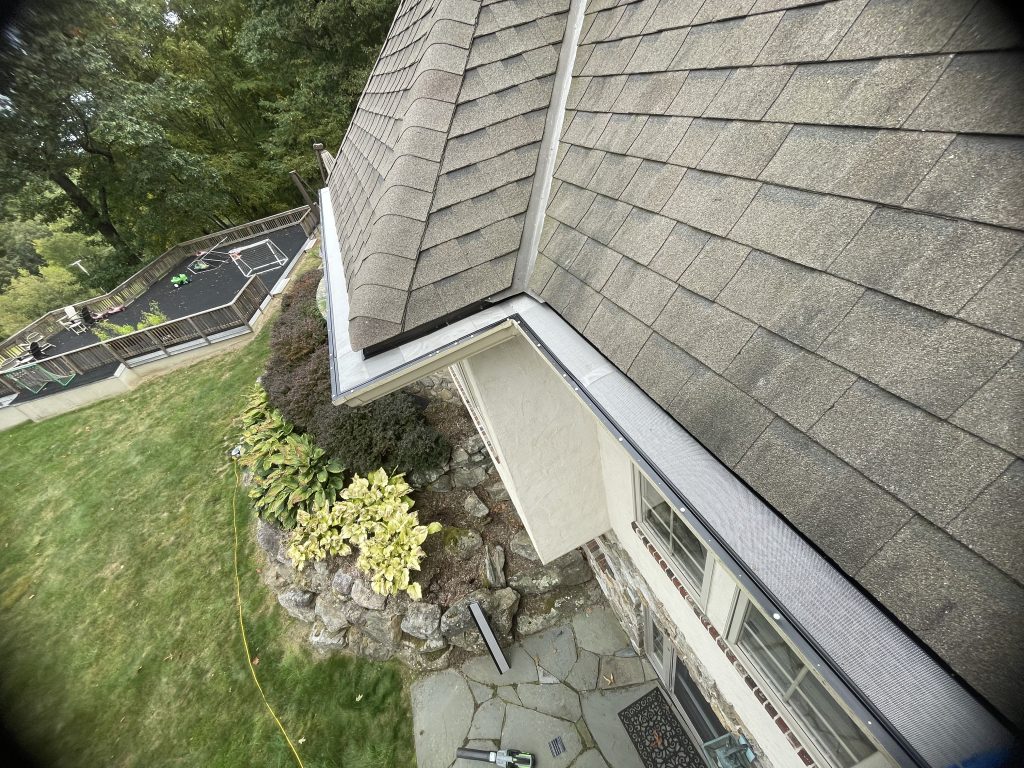
Gutters rarely get much attention until they stop doing their job. Then the signs show up fast: water spilling over the edge during a storm, dark streaks on siding, muddy trenches near the foundation, or a patch of ice right where the walkway should be dry. In a place like Hackettstown, where leafy neighborhoods, seasonal storms, and winter freeze-thaw cycles all come into play, gutter maintenance is less of a cosmetic chore and more of a practical part of home care.
Homeowners often face the same question every year: should you clean the gutters yourself, or hire a professional? The answer depends on more than budget. Roof height, gutter condition, the type of debris on the house, physical ability, and even the time of year all matter. A one-story ranch with open gutters is one thing. A two-story colonial with steep rooflines, mature trees, and a clogged downspout on a back corner above a walkout slope is something else entirely.
I have seen both approaches work well, and I have also seen both go wrong. Some homeowners handle routine cleaning safely and keep their systems in good shape for years. Others start with a ladder and gloves, then realize halfway through that what looked like a simple cleanup is actually a wet, compacted blockage sitting over a hidden seam leak. Professional service makes perfect sense in those cases, and often costs less than the damage caused by postponing the work.
Why gutter cleaning matters more than many people expect
A gutter system has one basic job: collect rainwater and move it away from the house. When that path gets blocked by leaves, seed pods, roof grit, moss, or shingle granules, water starts looking for another route. It usually finds one that creates trouble.
In Hackettstown, that can mean overflowing water saturating beds along the foundation after a heavy rain. It can mean fascia boards staying damp long enough to rot. It can mean ice forming along the roof edge in winter because drainage was already compromised before the first freeze. On homes with lower roof sections that dump into upper gutter runs, even a partial clog can cause a surprising amount of overflow.
The problems are not always dramatic at first. More often they build quietly. Mulch washes away. Basement walls feel damp after storms. Paint peels near trim lines. A downspout elbow pulls loose because it has been carrying too much weight from trapped debris and standing water. By the time homeowners connect those signs to the gutters, the repair bill is usually larger than the cleaning bill would have been.
That is why regular Gutter Cleaning Hackettstown homeowners can rely on is not just seasonal maintenance. It is preventive work that protects roofing, siding, foundations, landscaping, and walkways.
What DIY gutter cleaning really involves
The do-it-yourself version sounds straightforward. Get a ladder, scoop out the debris, flush the gutters with a hose, and move on with the weekend. Sometimes that is exactly how it goes, especially on a single-story home with easy access and moderate buildup. But even a simple job has more moving parts than people expect.
First, there is the setup. The ladder needs stable footing, proper angle, and safe placement away from soft soil or uneven pavers. Then there is the actual debris removal, which may be dry and loose or wet and packed down like compost. A gutter filled with pine needles and roof sediment does not scoop cleanly. It smears, clings, and often hides small issues underneath, such as rust spots, separated seams, loose spikes, or a gutter that has pitched backward over time.
After the visible debris comes the testing. Running water through the system tells you whether the downspouts are clear, whether the slope is working, and whether water is escaping from joints or end caps. Many homeowners stop after removing leaves, only to discover during the next storm that the downspout is still blocked underground or the outlet is clogged at the elbow.
DIY work also creates a mess that has to go somewhere. Gutter sludge is heavy. If it gets dumped into flower beds, onto walkways, or into lawn areas carelessly, cleanup spreads beyond the gutters themselves.
None of this makes the job impossible. It simply means homeowners should judge it honestly. Gutter cleaning is basic maintenance, but it is not effortless maintenance.
When doing it yourself makes sense
There are situations where DIY is a reasonable choice. A homeowner with the right equipment, solid ladder confidence, and a house that allows safe access can often stay on top of gutter maintenance without trouble. That is especially true if the gutters are cleaned regularly enough that debris never turns into a compacted blockage.
DIY tends to work best on simpler homes. A one-story structure with wide-open perimeter access is far different from a house with dormers, additions, decks, retaining walls, or steep grade changes around the foundation. The more awkward the layout, the less forgiving the task becomes.
It also helps when the homeowner is willing to do more than the minimum. The best DIY gutter cleaners do not just scoop and leave. They check hangers, watch how the water drains, look for leaks, and notice whether one section stays wetter than the rest. In practice, that kind of attention is what keeps small issues from becoming repair projects.
The real risks of the DIY route
The largest risk is obvious: ladder safety. Most people understand that falls are dangerous, but many underestimate how little it takes to lose balance. Reaching just a few inches too far to avoid climbing down and repositioning can shift your center of gravity. A ladder leg placed on mulch instead of a firm surface can settle unexpectedly. Wet gloves, a heavy debris bucket, and a sloped driveway are a poor combination.
There is also the issue of roof edge awareness. People sometimes step onto lower roof sections thinking it will make access easier. On dry asphalt shingles that may already be a bad idea. On damp leaves, moss, or cold-season frost, it is worse.
The second risk is incomplete cleaning. A gutter can look clear from above while still draining poorly because the downspout is packed tight lower in the system. That kind of partial work creates a false sense of security. The owner thinks the gutters have been handled, but during the next heavy rain the overflow returns.
The third risk is accidental damage. Gutters are not designed to support body weight or bear sideways force from an overreached ladder. I have seen gutters bent by improper ladder placement, elbows crushed during clearing attempts, and seams pulled apart because someone tugged too hard on rooted debris mats.
The fourth risk is simply misreading the condition of the system. A homeowner may think the problem is dirt, when the real issue is poor pitch, hidden corrosion, a disconnected downspout, or splash-back caused by undersized drainage. Cleaning alone cannot solve those issues.
What professional gutter cleaning usually includes
A reputable professional service does more than remove leaves. At a minimum, the crew should clear debris, open the downspouts, flush the system where appropriate, and check whether water is moving as it should. Experienced technicians also notice the details that homeowners often miss, such as loose hangers, failing sealant, sagging sections, and overflow patterns that point to drainage design problems rather than simple clogs.
On homes in Hackettstown with mature trees, professional crews often deal with a mix of debris types. Oak leaves behave differently from maple helicopters. Pine needles mat tightly. Roof granules settle into the bottom and reduce flow over time. A trained crew knows how to remove those materials efficiently without damaging the gutter lining or joints.
Professional service also tends to be faster than homeowners expect. What takes a cautious DIY cleaner half a day can often be completed in far less time by a crew that does the work routinely and carries proper ladders, stabilizers, blowers, vacuums, or flushing tools based on the property.
The value is not just speed. It is the combination of safety, thoroughness, and trained observation.
Where professional service earns its cost
The strongest case for hiring a pro usually comes down to complexity. Height is one factor, but not the only one. A tall home with straightforward access may still be easier than a shorter house built on a slope with multiple roof transitions. https://simongdpr391.swiftnestly.com/posts/affordable-gutter-cleaning-hackettstown-services-for-every-home If there are gutter guards that need selective removal, recurring clogs in hidden corners, or downspouts that tie into buried drain lines, experience matters.
A professional is also the better choice when the gutters have been neglected for several seasons. Old buildup becomes heavy and stubborn. Plants may actually begin growing in the troughs. In that condition, the work shifts from simple cleaning to restoration of function, and that is where trained eyes can spot damage before it turns into a larger repair.
For many homeowners, the cost is justified by risk reduction alone. If you are uncomfortable on ladders, have limited mobility, or know that you will keep putting the job off, professional service is the practical decision.
A straightforward comparison
- DIY is usually cheaper upfront, but it requires your time, equipment, and a realistic tolerance for ladder work.
- Professional cleaning costs more per visit, but it often includes a more complete inspection and lower safety risk.
- DIY works best for accessible one-story homes with routine maintenance schedules.
- Professional service is usually the better fit for taller homes, steep grades, stubborn clogs, or neglected systems.
- Both options can fail if the gutters need repair and nobody recognizes the signs.
Hackettstown-specific factors homeowners should consider
Local conditions matter. In Hackettstown, many residential areas have mature trees close to rooflines. That means leaves are only part of the story. Seed pods, twigs, blossoms, and fine debris can collect in waves across the year, not just in late fall. A house may need attention in spring after heavy budding season, again in autumn after leaf drop, and occasionally after severe summer storms.
Winter changes the equation. Gutters that are partially blocked when temperatures drop can hold standing water. Once that freezes, the added weight stresses fasteners and joints. Then, during a thaw, water can spill over and refreeze on walks or driveways. A homeowner deciding between DIY and professional work should think seasonally, not just in terms of a one-time cleanup.
Roof style is another factor. Some homes in the area have complex rooflines with valleys that dump concentrated water into one gutter run. Those sections clog faster and overflow sooner than long straight sections on the opposite side of the house. If one corner constantly causes trouble, it may not be enough to simply clean the whole system. That problem corner may need a more careful diagnosis.
The hidden cost calculation
People often frame the decision as a simple price comparison. DIY seems free except for tools and time, while professional service carries a quoted cost. But the real calculation is broader.
Time has value. A homeowner might spend several hours setting up, cleaning, flushing, and cleaning up afterward, only to repeat the work because a downspout remained blocked. Equipment costs add up too. A sturdy ladder, gloves, scoop, hose attachment, and stabilizer are not one-time pennies if you do not already own them.
Then there are the avoided costs. If professional cleaning catches a separated joint early, that might prevent water from soaking the fascia all season. If a crew notices that one downspout discharges too close to the foundation, correcting it can prevent drainage issues that are far more expensive than the service call.
That does not mean professional service is always the better economic choice. It means homeowners should compare full outcomes, not just the invoice versus a Saturday afternoon.
What homeowners often overlook after the cleaning is done
A clear gutter is only one piece of the drainage picture. Water still needs to exit away from the house. Downspout extensions, splash blocks, slope around the foundation, and underground drainage lines all affect whether gutter cleaning actually solves the problem.
I have seen homes with spotless gutters that still developed wet basement complaints because the downspouts emptied right beside the foundation. I have also seen homeowners blame clogged gutters when the real issue was a crushed underground drain line. Cleaning is essential, but it works best when viewed as part of a system.
This is another area where professional insight can help. An experienced contractor can often tell, just by watching runoff during flushing or seeing erosion patterns below the downspout, whether the problem ends at the gutter or continues into the drainage layout.
If you choose DIY, do it with a plan
A careful homeowner can absolutely handle routine maintenance under the right conditions. The key is knowing when the job is still a manageable chore and when it has crossed into something more demanding.
Use the right ladder for the house. Reposition often instead of leaning too far. Wear gloves with grip. Clear debris fully before flushing. Test every downspout. Watch where discharge lands. If you notice loose fasteners, visible sagging, leaks at seams, or repeated clogs in the same spot, take that as a signal that cleaning may not be the only issue.
One practical rule is simple: if you catch yourself improvising, stop and reassess. Using a short ladder because it is available, climbing onto a damp roof to reach one section, or trying to force a blockage with whatever tool is nearby is exactly how minor jobs become accidents or repairs.
Signs it is time to call a professional
- Water spills over the same section even after you cleaned it.
- The house is two stories or more, or the terrain makes ladder placement awkward.
- Gutters are sagging, separating, or pulling away from the fascia.
- Downspouts appear blocked below ground or drain poorly despite flushing.
- You are not fully comfortable working at height, especially near roof edges.
Making the right choice for your home
There is no universal answer because houses are not universal. The right choice depends on the property, the owner, and the current condition of the gutter system. Some homeowners in Hackettstown can manage the work themselves for years without issue, particularly on smaller homes with predictable debris and easy access. Others are better served by scheduling professional Gutter Cleaning Hackettstown companies provide, especially when height, heavy buildup, or drainage complications enter the picture.
A good rule of thumb is to judge the task by risk and complexity, not by whether it seems routine. Many maintenance jobs are routine until they are not. Gutters fall squarely into that category. If the system is accessible, the debris is light, and you know how to work safely, DIY can be a sensible way to stay ahead of seasonal buildup. If the house is difficult, the gutter runs are high, or the problem keeps coming back, professional service is usually the smarter investment.
What matters most is consistency. Clean gutters protect the parts of your home that are expensive and inconvenient to repair. Whether you handle the work yourself or hire it out, the bigger mistake is ignoring it until the next storm makes the decision for you.
Just Gutters LLC
Address: 262 Main St, Hackettstown, NJ 07840
Phone number: +12013319454
FAQ About Gutter Cleaning Hackettstown
How much should a gutter clean cost?
Professional gutter cleaning typically costs between $163 and $333, with a national average of around $210 to $250 for a standard-sized home.
What months should you clean gutters?
You should clean your gutters twice a year—once in late autumn (November to December) and once in late spring (April to May).
Is it worth paying for gutter cleaning?
Yes, paying for gutter cleaning is worth it because it prevents thousands of dollars in water damage, roof leaks, and structural repairs.